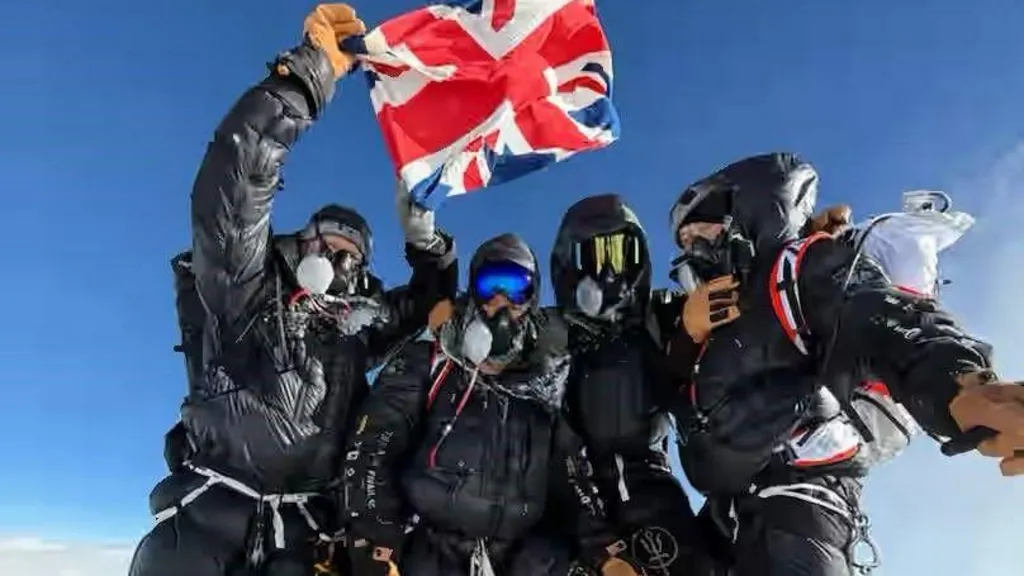
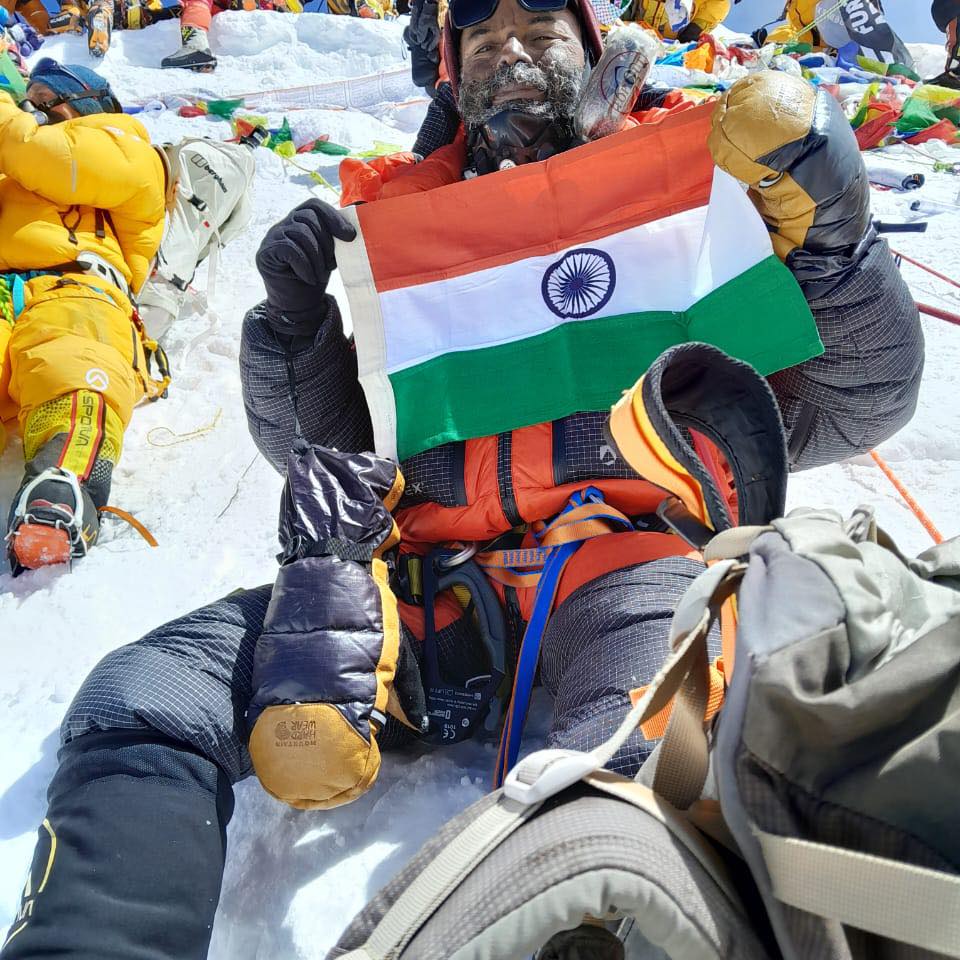
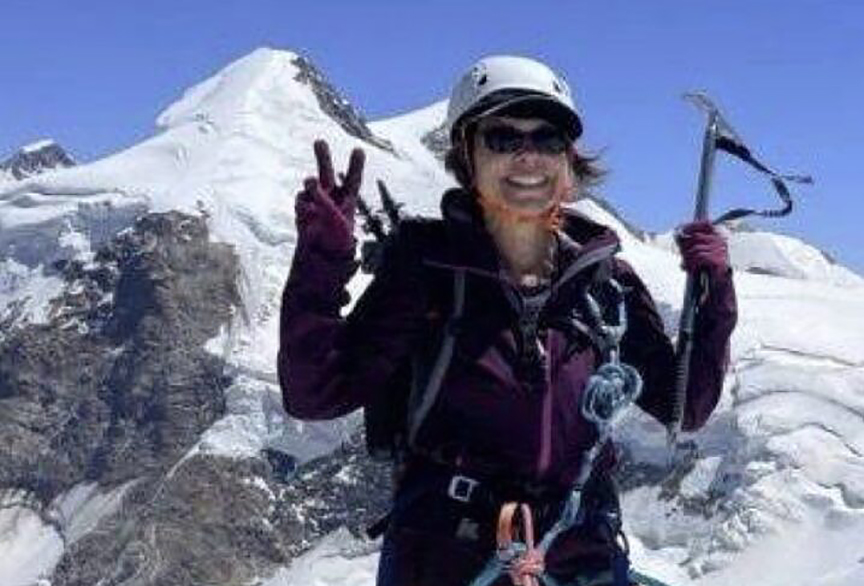
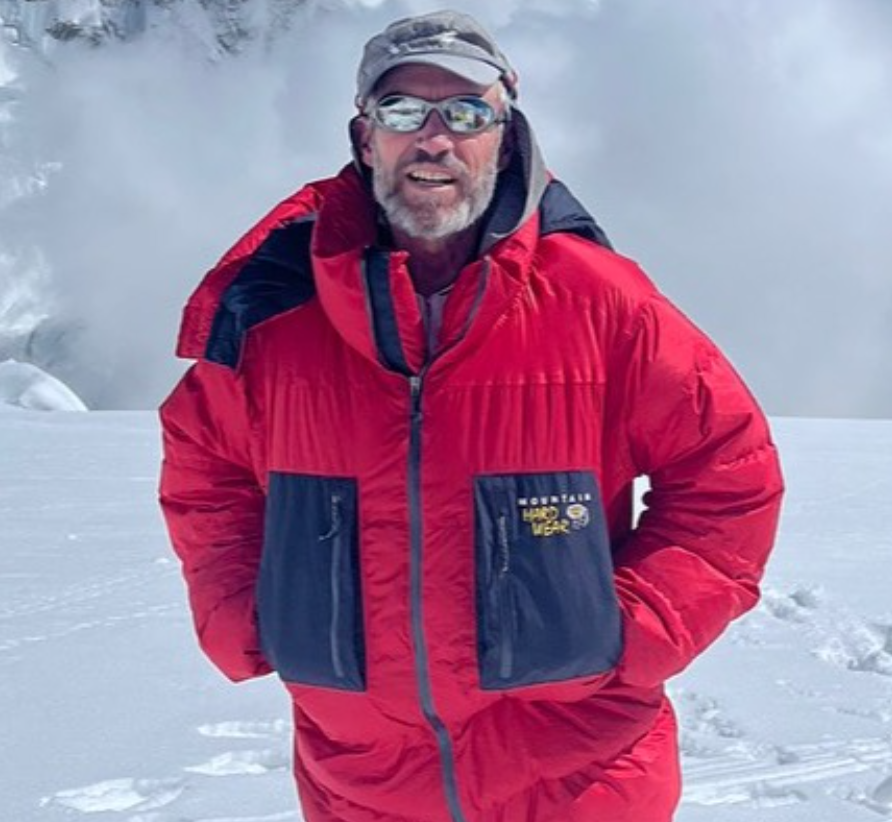
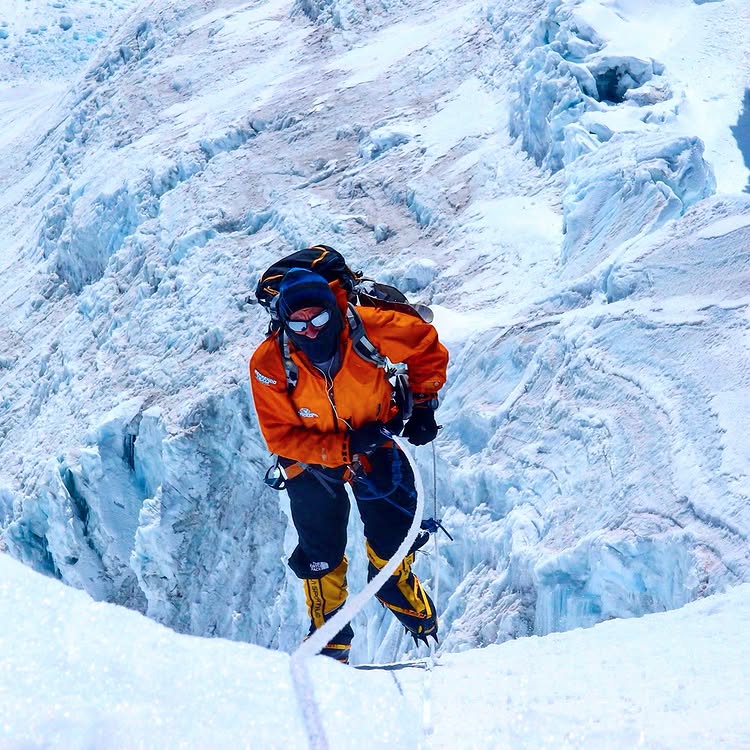
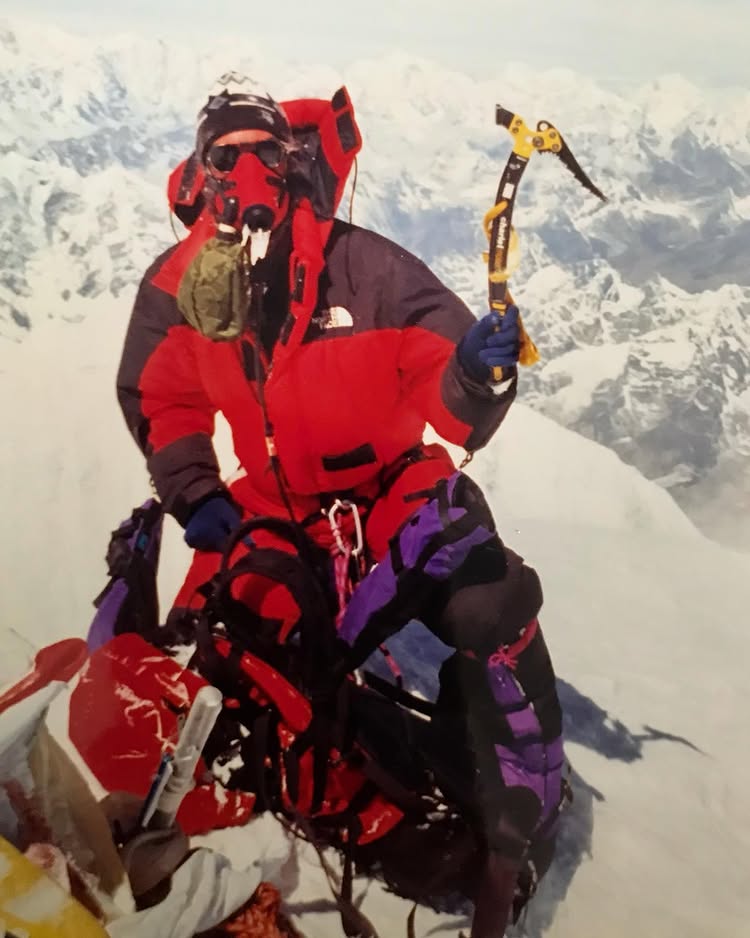
Mount Everest has once again made headlines – this time not for a fastest ascent, but for one of the most unconventional. Four British former special forces soldiers, including UK Veterans Minister Alastair Carns, have successfully summited the world’s highest peak in just under five days – without any acclimatisation on the mountain itself.
The climb, completed on May 21st, marks a record-setting ascent for a team bypassing the traditional weeks-long acclimatisation process in the Himalayas. Instead, the group relied on months of simulated altitude training and a controversial method: inhaling xenon gas.
Four British climbers pose on the summit of Mount Everest less than a week after leaving London, in one of the fastest ascents on record of the world’s highest peak, in Nepal (Sandro Gromen via AP)
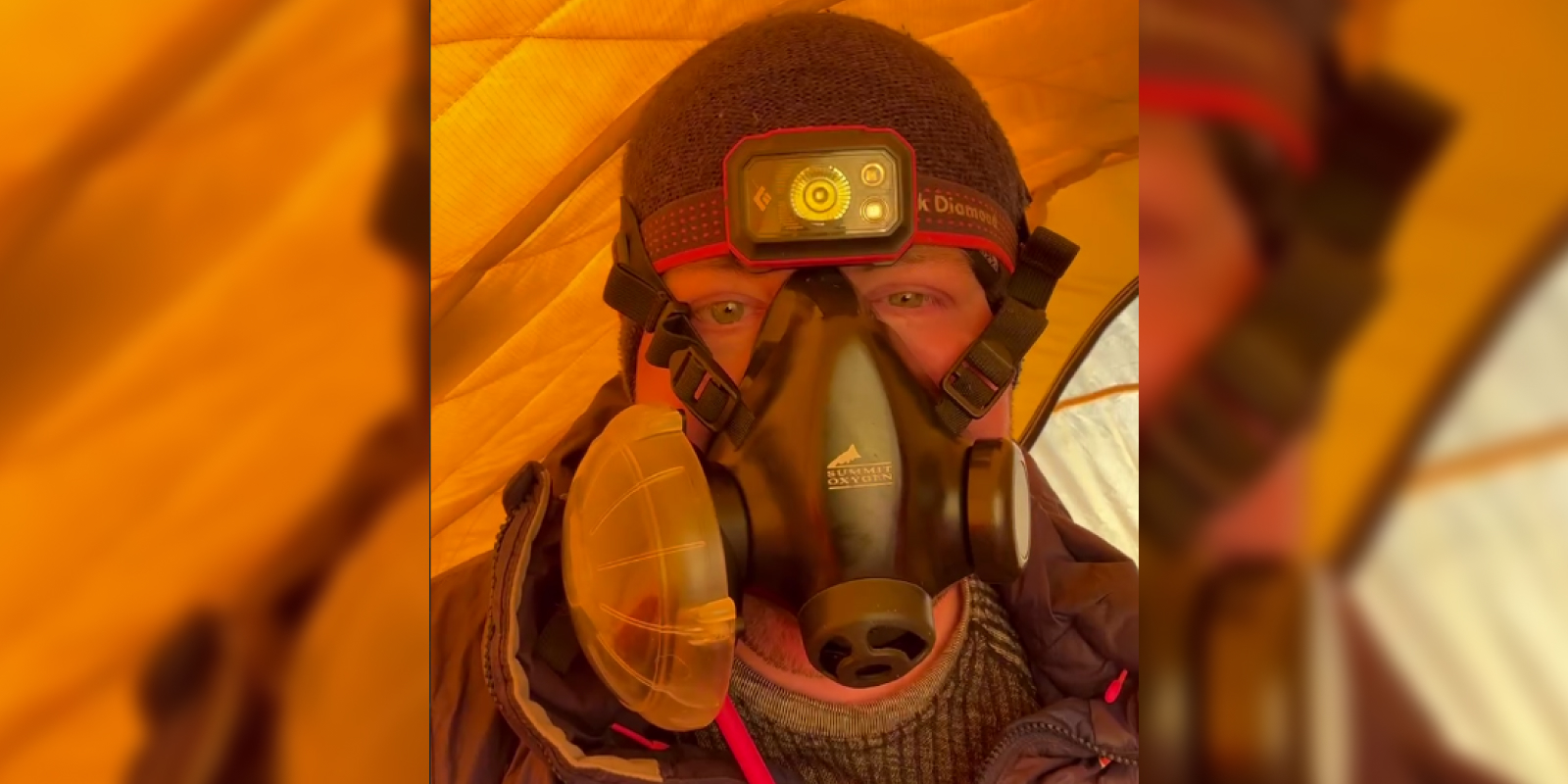
The four climbers spent six weeks sleeping in hypoxic tents at home, simulating high-altitude conditions by reducing oxygen levels using specialized equipment. Then, just two weeks before heading to Nepal, they inhaled xenon gas at a clinic in Germany – reportedly to stimulate red blood cell production and help the body adapt to thin air.
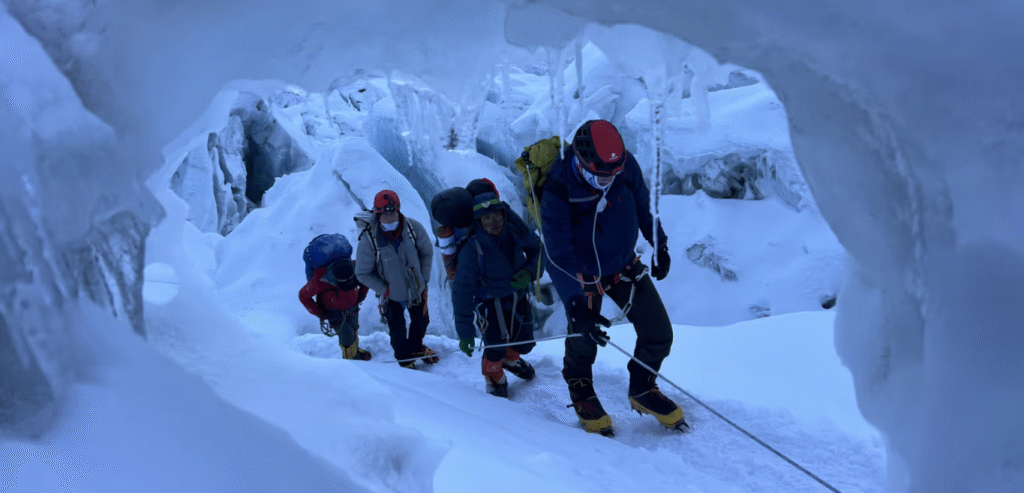
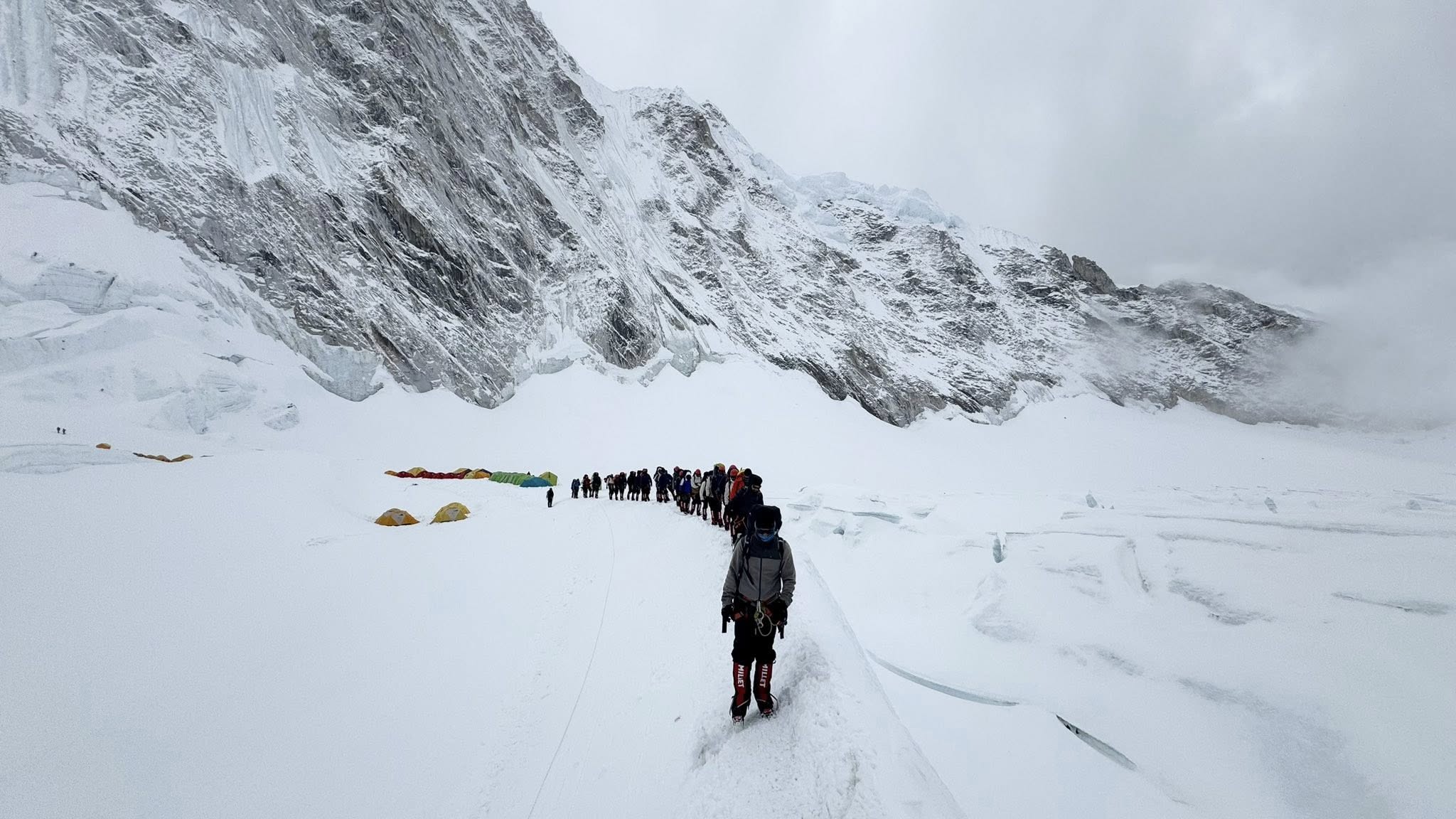
Upon arrival in Nepal, they flew straight to Everest Base Camp and began the climb immediately, accompanied by five Sherpa guides and a cameraman. They used supplemental oxygen like most high-altitude climbers but skipped the usual acclimatisation rotations between camps.
“They started on the afternoon of 16 May and summited on the morning of 21 May – taking four days and approximately 18 hours,” said expedition organiser Lukas Furtenbach, who has pioneered pre-acclimatisation techniques in the past.
Mountaineering World Divided
While the achievement is undeniably impressive, many in the climbing community are raising red flags about the method.
Experts argue that acclimatisation is not just about red blood cell count, but a complex physiological process involving the brain, lungs, heart, and kidneys – something no single drug or gas can shortcut. The International Climbing and Mountaineering Federationhas warned in statement in January:
“According to current literature, there is no evidence that breathing in xenon improves performance in the mountains, and inappropriate use can be dangerous…. Acclimatization to altitude is a complex process that affects the various organs/systems such as the brain, lungs, heart, kidneys and blood to different degrees, and is not fully understood.…”
Veteran guide Adrian Ballinger, who also uses hypoxic tents with clients, expressed concern about promoting xenon as a performance enhancer:
“People are grasping at shortcuts instead of doing the real work of acclimatisation and training.”
The Ripple Effects: Ethics, Tourism, and Certification
This method could potentially redefine how Everest is climbed – but not without consequences. Industry leaders worry that faster expeditions may reduce climber stays in Nepal, directly impacting local tourism.
“If climbers stop acclimatising in the mountains, the length of their stay drops significantly,” warned Damber Parajuli , president of the Expedition Operators Association of Nepal. “This would not only hurt the economy but also breaks the fundamental principles of mountaineering. Authorities should reconsider certifying such climbs.”he told the BBC.
Nepal’s tourism officials said they were unaware the British team had skipped acclimatization and may now re-evaluate regulations for future expeditions. But Furtenbach defends the method, citing lower ecological impact and reduced health risk due to less time spent in high-risk zones like the Death Zone (above 8,000m).
The simulated altitude was created in hypoxic tents from which oxygen is sucked out using a generator Photo: Lucas Furtenbac
Not the Fastest Ever, But a Historic First
While this expedition is the fastest recorded Everest ascent without acclimatization in the Himalayas, it does not break the overall Everest speed record. That title still belongs to Lhakpa Gelu Sherpa, who reached the summit from base camp in just 10 hours and 56 minutes in 2003 – but only after weeks of on-mountain acclimatization.
What this British team has done is redefine what’s possible with modern technology and extreme preparation – and in doing so, they may have opened a new chapter in Himalayan climbing.
So, finally, What do you think, does Everest need a new rulebook? Or is this the future of high-altitude climbing? Share your thoughts in the comments.
Before you can stand on top of the world and feel the rush of success, your body needs to adapt to extreme altitudes. Acclimatization is the process that helps you adjust to lower oxygen levels, preventing altitude sickness and ensuring your body can keep going. It’s a gradual, strategic process that requires training your body to thrive in thin air.
In this guide, we’ll unlock the science behind altitude acclimatization physiology and show you how to prepare your body to conquer any summit, safely and effectively. Ready to breathe easier at 5,000 meters? Let’s get started!
Acclimatization Definition and Why Does It Matter?
First things first – let’s break down what acclimatization actually is. Put simply, it’s the process by which your body gradually adjusts to the lower oxygen levels at higher altitudes. At sea level, the air contains about 21% oxygen. But when you venture upwards, the air thins, and the oxygen content decreases, making it harder for your body to absorb enough oxygen. At 3,000 meters (about 9,800 feet), oxygen levels can be as low as 14%.
This is where acclimatization comes in. It’s the process of giving your body time to adjust by slowly adapting to the oxygen deprivation. Without this gradual adjustment, you run the risk of developing altitude sickness, which can range from mild symptoms like headaches and nausea to more severe conditions such as high-altitude pulmonary edema (HAPE) or high-altitude cerebral edema (HACE). Not exactly the kind of thing you want to deal with on your trip, right?
Don’t worry, acclimatization can be your best friend when it comes to preparing your body. And it’s not all about the physical symptoms – mental preparation and pacing are just as important.
Why You Need Acclimatization: Key Benefits
If you’ve ever asked yourself, “Do I really need to acclimatize?”, the answer is yes. Even the fittest climbers can experience altitude sickness if they don’t give their body time to adjust to the lower oxygen levels at high altitudes. Acclimatization improves your oxygen transport, boosts red blood cell production, and enhances lung function – all key for maintaining performance and safety during your climb.
Research shows that acclimatization helps your body adjust by increasing the number of red blood cells, improving lung function, and ensuring better oxygen transport to tissues. In essence, it’s your body’s way of becoming more efficient at surviving in challenging environments. The Centers for Disease Control and Prevention (CDC) emphasizes that acclimatization not only prevents altitude illness but also improves sleep quality, increases comfort, and enhances submaximal endurance. However, maximal exercise performance at high elevations will always be reduced compared to that at low elevations.
How to Acclimatize: Proven Strategies for High Altitudes
Ascend Slowly: The Golden Rule
This one is key: slow and steady wins the race. Rapid ascents are a recipe for disaster. As tempting as it might be to get to the top quickly, your body needs time to adjust to the changes in oxygen levels. Rapid ascents can cause significant physiological stress, leading to an increased risk of hypoxia (insufficient oxygen levels), which can trigger symptoms of altitude sickness. By pacing yourself, you allow your body to gradually adjust to the decreased oxygen levels.
The best practice is to increase your elevation by no more than 300-500 meters (1,000-1,600 feet) per day after reaching 2,500 meters (8,200 feet). This gives your body enough time to start adapting and prevent that awful feeling of altitude sickness.
And here’s the secret to making this even more effective: incorporate rest days. For every 1,000 meters (3,300 feet) you gain, take a day to rest. This gives your body a chance to adjust without further stress. The strategy is called “climb high, sleep low,” and it works wonders. Your body gets used to higher altitudes during the day, but you return to a lower elevation to rest overnight. Studies have shown that resting at lower altitudes during acclimatization helps reduce the severity of symptoms like headaches and fatigue.
Hydrate Like a Pro
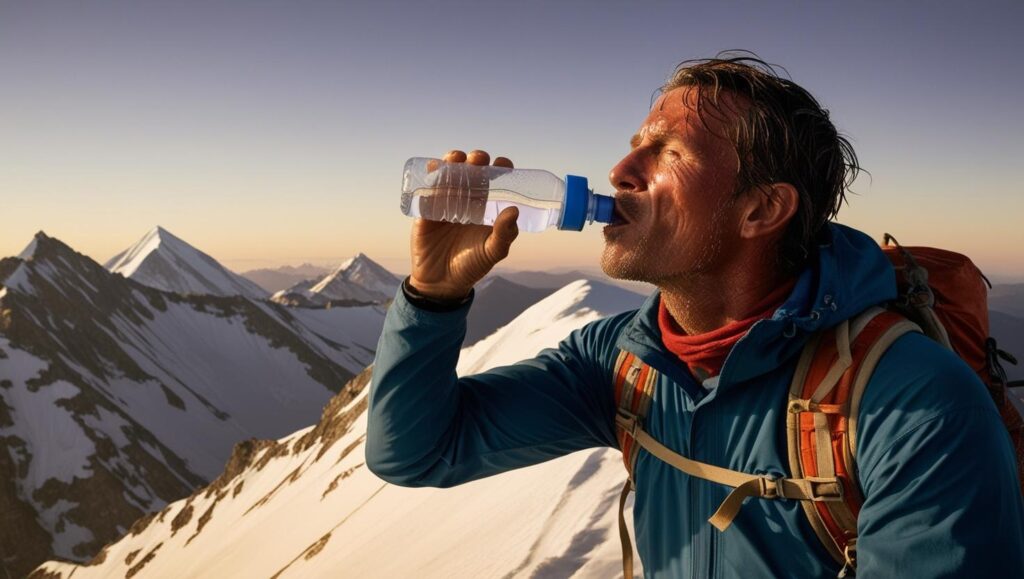
Hydration is one of the most important factors when acclimatizing to altitude. The dry air at higher elevations makes dehydration a real threat, and it can make the symptoms of altitude sickness worse. Did you know that dehydration can cause dizziness, fatigue, and even headaches – three common symptoms of altitude sickness? Staying hydrated at altitude can alleviate many of these symptoms. Aim to drink at least 3-4 liters of water a day to keep your body functioning at its best. And remember – avoid alcohol and caffeine, as they can dehydrate you even more.
Fuel Your Body with the Right Nutrients
Eating well is just as important as drinking enough water. Your body burns more calories at high altitudes, so you need to fuel up properly to keep your energy levels up. Focus on eating calorie dense, nutritious meals that provide a balance of carbohydrates, proteins, and healthy fats. Carbs, like pasta, rice, and bread, will provide quick energy, while fats and proteins will sustain you for longer periods. Studies found that a high-carb diet can be particularly helpful in maintaining energy levels and preventing muscle fatigue at higher altitudes.
Consider Medication: Diamox (Acetazolamide)
For many climbers, Diamox (acetazolamide) is a useful tool to help prevent altitude sickness. This medication speeds up the acclimatization process by stimulating your breathing and increasing oxygenation in the blood. Before you start taking Diamox, however, it’s crucial to talk to your doctor. While it can be a great aid, it’s not suitable for everyone. A clinical trial published in Lancet showed that Diamox reduced the incidence of altitude sickness by up to 80%, but again, make sure it’s right for you.
Listen to Your Body: Don’t Push Through Symptoms
At the end of the day, your body knows best. If you start feeling dizzy, lightheaded, or nauseous, it’s time to take a step back. Don’t ignore the symptoms they’re your body’s way of telling you that something isn’t right. If symptoms worsen, descend immediately.
How to Prepare for High Altitudes: Physical Training Tips
Acclimatization is just one piece of the puzzle. To maximize your chances of success, physical conditioning is key. Here are a few tips to get you prepared: Cardio: Build endurance with aerobic activities like running, cycling, or swimming. Your heart and lungs will thank you. Strength Training: Focus on leg and core exercises such as squats, lunges and planks to help you handle the physical demands of climbing. Altitude Simulation: If possible, train at high altitudes or use an altitude mask to simulate lower oxygen levels.
Ready to Reach the Summit?
Acclimatization isn’t just about surviving at high altitudes; it’s about thriving. By following the strategies above – ascending slowly, staying hydrated, fueling your body, and listening to your body’s signals – you’ll maximize your chances of success and stay healthy throughout your high altitude adventure, whether it’s the Everest Base Camp trek or another Himalayan mountaineering expedition. Remember: No summit is worth risking your health. With the right preparation, you can conquer the heights and make your dream of standing atop the world a reality.
Andrew Ushakov, Photo: everestseatosummit.com
On May 19, 2025, Andrew Ushakov made mountaineering history by becoming the fastest person to climb Mount Everest from sea level to summit – completing the journey in just 3 days, 23 hours, and 7 minutes. What makes this record-shattering ascent even more remarkable is that Ushakov did it without any prior acclimatization. Ushakov began his record-breaking ascent from sea level in New York City, departing on May 15, 2025, at 12:30 AM local time. From there, he flew to Kathmandu, Nepal, and continued on to Everest Base Camp. In a bold move, he began his climb to the summit on the very day he arrived – skipping the traditional acclimatization period entirely
A full-time engineer and father, Ushakov defied the odds and the doubts of the mountaineering community. His mission wasn’t just about breaking records – it was about proving that ordinary people can achieve the extraordinary.
“I’m ecstatic, although physically exhausted, to have achieved what many said was impossible,” – he said after the climb. “I did this as a regular guy, with a broken arm and a dream. This is for the 99% of people who think big goals are off limits.”
This feat was five years in the making. Ushakov began climbing in 2020 and committed to intense training – often with one arm, after surviving a deadly avalanche in Ecuador just two months before the climb, which left his elbow shattered in seven places. In 2024, his first attempt to climb Everest in just six days ended in heartbreak when he went blind in the death zone, only 300 meters from the summit.
Undeterred, he returned home, healed, trained harder, and upgraded his approach using science and resilience. Ushakov worked with a top-tier support team, including Dr. Irina Zelenkova (medical), mountaineering legend Nimsdai Purja and the Elite Exped crew, and Professor Yannis Pitsiladis, a leading sports scientist known for his groundbreaking work with Olympic athletes. Together, they built a cutting-edge system of biometric sensors, AI-powered weather analytics, and real-time health monitoring to guide Ushakov’s body through one of the most extreme challenges on Earth.
Using hypoxic tents to simulate high altitude and logging over 400 hours inside them, Ushakov conditioned his body at home – skipping the usual 40–50 days of acclimatization in the Himalayas. But even the best preparation couldn’t eliminate risk. In 2024, he lost vision three times due to pressure-related eye damage, a challenge he addressed with surgery and relentless determination before trying again.
The climb wasn’t just a solo triumph. Ushakov credits his Sherpa team, advisors, medical experts, and the unwavering support of his family, friends, and business partners for making it possible. Despite the mental toll – from long-term physical strain to recovering from failure – he pushed forward, sharing his story publicly for the first time to inspire others.
Andrew’s guide from Elite Exped is the youngest Brit male to climb the 14 Peaks, and he said: “I’m really proud of Andrew’s determination and drive. To come back from injury and set back in the way he has, shows huge strength of character and mental resilience. I’m proud to stand on the summit of Everest with you Andrew, you deserve this success.”
With four Master’s degrees and a career designing skyscrapers in Manhattan, Ushakov is far from a full-time adventurer. Yet with passion, preparation, and purpose, he redefined what’s possible for climbers – and for dreamers everywhere.
Photo: everestseatosummit.com
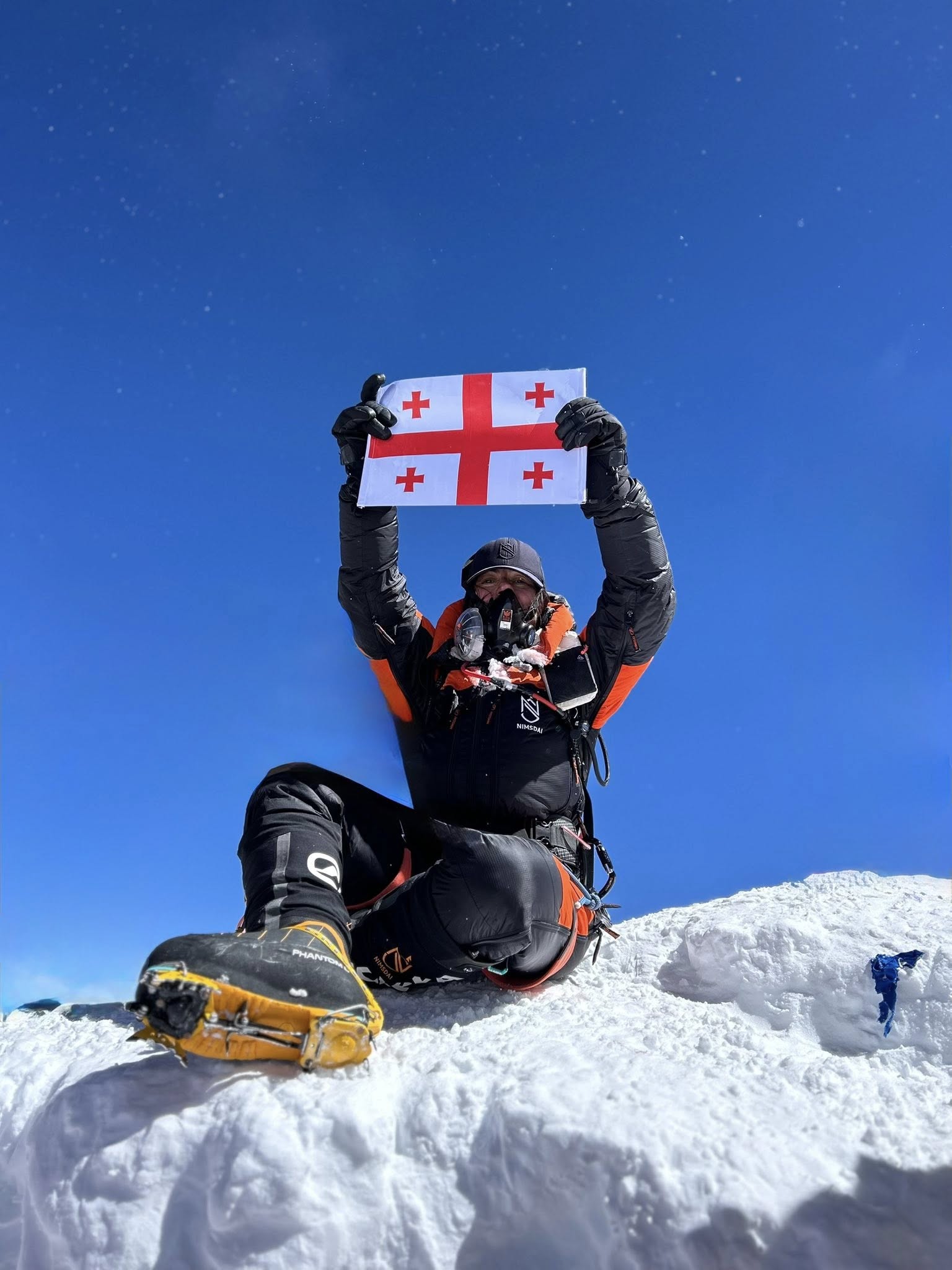
Alina Gamsakhurdiya Photo: Alina Gamsakhurdiya
At 9:10 AM Nepal time on May 18, 2025, a new chapter in Georgian mountaineering history was written. Standing on the highest point on Earth, a Georgian climber Alina Gamsakhurdiya fulfilled her lifelong dream – and became the first woman from Georgia to summit Mount Everest.
Overwhelmed by the experience, she shared her emotions shortly after the ascent:
“I was standing at the highest point on the planet, and the entire world opened up for me. It was my biggest dream, and I still can’t fully process it. It’s as if I’m in a parallel reality.”
Her achievement marks a major milestone not only for her personally but also for Georgia’s growing presence in high-altitude mountaineering. The successful summit of Everest – standing at 8,848.86 meters – crowns years of dedication, resilience, and preparation.
This historic moment serves Alina Gamsakhurdiya as an inspiration for future generations of Georgian climbers, especially women, proving that with determination, even the world’s highest peak is within reach.
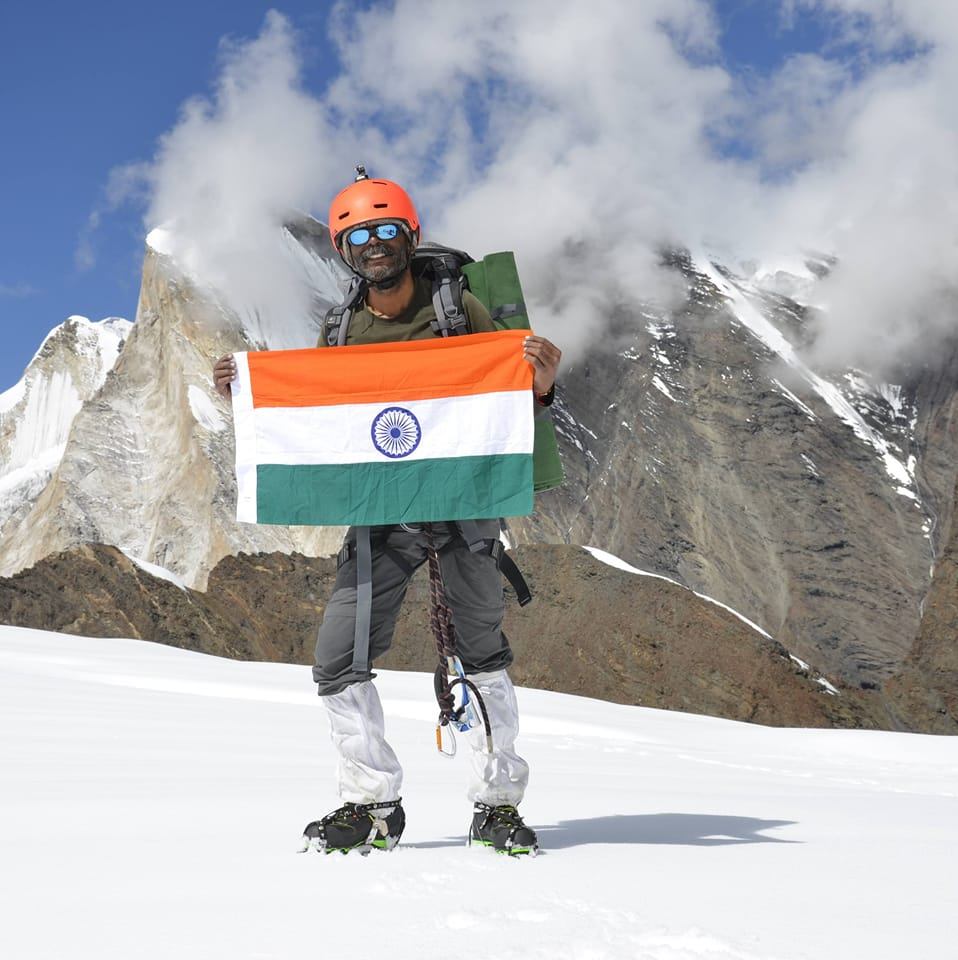
Navdeep Sood, Photo: Navdeep Sood Facebook
Age is just a number – and Navdeep Sood is living proof of that. The 59-year-old adventure enthusiast from Panchkula, Haryana, successfully summited Mount Everest on the morning of May 18, becoming the second oldest Indian to scale the world’s highest peak and the oldest climber from North India to do so.
The expedition was led by Pioneer Adventure, a well-known guiding company based in Kathmandu. Speaking about the achievement, Nivesh Karki, Managing Director of Pioneer Adventure, said:
“He is the oldest person from North India to summit Everest, and we are proud to have supported his journey. His determination and fitness were truly commendable.”
Sood is no stranger to hard work. A retired Assistant General Manager from the State Bank of India, he stepped away from a successful banking career to pursue a life of adventure. With a background far from the climbing world, he worked his way up, summiting several 6,000+ meter peaks across India and Tibet. It was his climb of Satopanth (7,300 meters) in Uttarakhand that gave him the confidence to attempt Everest.
What makes Sood’s journey even more inspiring is his multi-faceted approach to adventure. He is a licensed solo paraglider, an experienced skier, and a passionate cyclist. In one of his most impressive feats, he cycled solo from Kashmir to Kanyakumari, covering over 4,000 kilometers in just 19 days. On top of that, he’s a dedicated marathon runner, a habit he credits for helping him stay fit for high-altitude climbs. When asked about age being a barrier, Sood replied with a smile:
“Age is just a number. If your will is strong and you stay focused, anything is possible.”
Navdeep Sood, Photo: Navdeep Sood Facebook
Sood expressed heartfelt thanks to Pioneer Adventure for their expert support, seamless logistics, and guidance throughout the expedition. With Everest behind him, his sights are now set on another major dream: cycling around the world.
His story is not just about reaching the top of the world – it’s about perseverance, passion, and proving that it’s never too late to chase big dreams.
Climbing your first mountain is an unforgettable experience – but beginner climbing mistakes can turn it into a struggle. From poor planning to altitude issues, first-time climbers often fall into traps that experienced hikers know to avoid. In this guide, we’ll cover the most common first summit mistakes and share practical tips for avoiding mistakes on your first climb.
The summit is finally in sight. You’ve prepared, packed, and researched every step of your mountain adventure. But there’s one thing you might not realize: the common first summit mistakes that so many first-time climbers make. Even with the best of intentions, beginner climbers often fall into traps that can derail their entire ascent – sometimes before reaching the halfway point.
Research reveals that nearly 1 in 5 beginner climbers turn back early due to avoidable errors. These climbing beginner mistakes are often caused by poor planning, overexertion, or not understanding key aspects of mountain climbing – like acclimatization, gear management, and sudden weather changes.
No worries, though! With the right preparation and insight, avoiding mistakes on your first climb is absolutely possible. Your first summit won’t just be a victory – it’ll be the start of a lifetime of high-altitude adventures. Let’s break down the top 5 beginner climbing mistakes and how to avoid them.
Mistake 1: Ignoring Acclimatization
“Why am I feeling dizzy and nauseous? I trained so hard for this!”
Story: Imagine you’re cruising up the mountain, full of energy. Suddenly, you reach a higher altitude, and the world begins to spin. Your breath comes in short gasps, and nausea sets in. This isn’t just exhaustion – this is altitude sickness.
It’s a Mistake: Acclimatization is often overlooked, but it’s critical. At high altitudes, the air has significantly less oxygen, making it harder for your body to function properly. If you ascend too quickly, your body won’t have time to adjust, leading to altitude sickness. Symptoms like headaches, nausea, dizziness, and even more severe issues like HAPE (High Altitude Pulmonary Edema) can quickly derail your summit attempt.
How to Avoid It: Take it slow. Follow the 300-meter rule – ascend no more than 300 meters (about 1,000 feet) per day once you hit 2,500 meters (8,200 feet). If possible, climb higher during the day and descend to sleep at a lower altitude to let your body recover.
Quick Tip: Add rest days in between your climbs to allow your body to adjust. Acclimatization isn’t just a suggestion – it’s a lifesaver.
Mistake 2: Overpacking and Carrying Too Much Weight
“Better safe than sorry” turns into sore shoulders and slow progress.
Story: On your first summit, excitement might cause you to overpack. Extra gear, redundant tools, and unnecessary supplies seem like a safety net. But before you know it, your backpack weighs you down, turning your hike into a burden instead of an adventure.
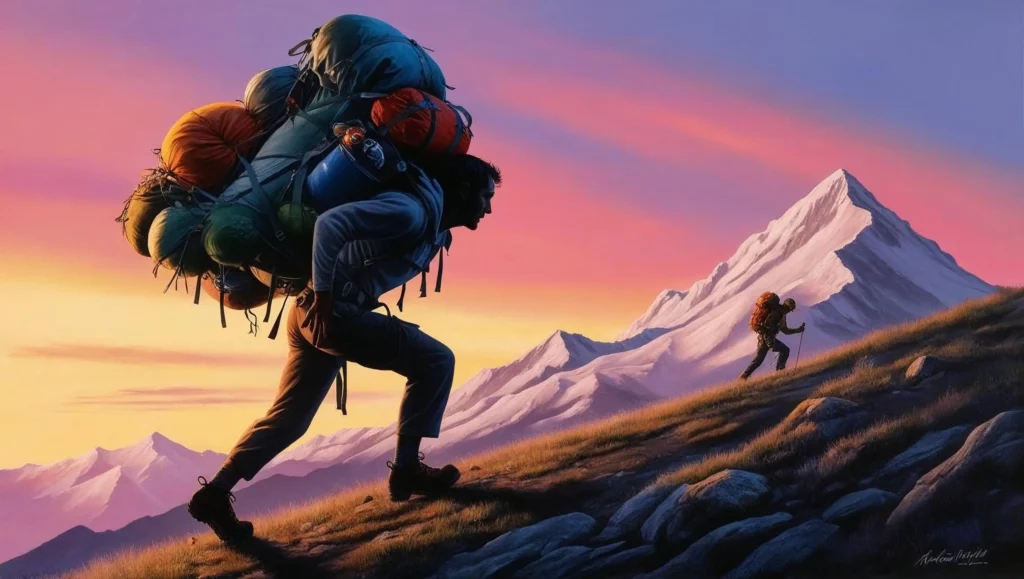
It’s a Mistake: Weight is the enemy on any climb. Every extra kilogram increases the effort needed to move, especially in high-altitude conditions. The added weight increases energy expenditure, making the climb significantly more difficult and even more dangerous.
How to Avoid It: Prioritize your gear. Invest in lightweight, high-quality equipment like a lightweight tent, weather-resistant clothing, and a compact sleeping bag. Stick to the essentials – like enough water, snacks, a first-aid kit, a headlamp, and layers for warmth. As professional mountaineers often say, “Pack light, but pack right.”
Quick Tip: Review a gear checklist specific to your mountain, and if possible, talk to experienced climbers who’ve done the same route to get an idea of what’s truly necessary.
Mistake 3: Not Hydrating Enough
“I feel great – until I don’t.”
Story: You’ve made it halfway, but something feels off. You’re sluggish, fatigued, and your energy seems to have vanished. You’re reaching for that last bit of energy in your snack bars, but hydration is just as important, if not more so, than food.
It’s a Mistake: High-altitude environments are extremely dehydrating. The air is dry, and at higher altitudes, your body loses moisture more quickly. Even mild dehydration can lead to fatigue, dizziness, headaches, and impaired performance. Dehydration at high altitudes can increase the risk of altitude sickness.
How to Avoid It: Drink plenty of water before, during, and after your hike. Aim for about 3-4 liters a day while climbing at high altitudes. Also, avoid alcohol and caffeine, as they can dehydrate you further. Electrolyte tablets or hydration powders can help replenish essential salts and minerals, which are lost through sweat and exertion.
Quick Tip: Use a hydration reservoir to make sipping water on the go easier. Set reminders to drink water every 30 minutes to ensure consistent hydration.
Mistake 4: Underestimating the Weather and Terrain
“The forecast said clear skies, but now it’s snowing!”
Story: You’ve checked the weather forecast religiously, packed your gear, and everything seemed perfect. But just hours into your hike, the weather turns. Suddenly, the skies are dark, wind gusts pick up, and visibility drops to near zero. What now?
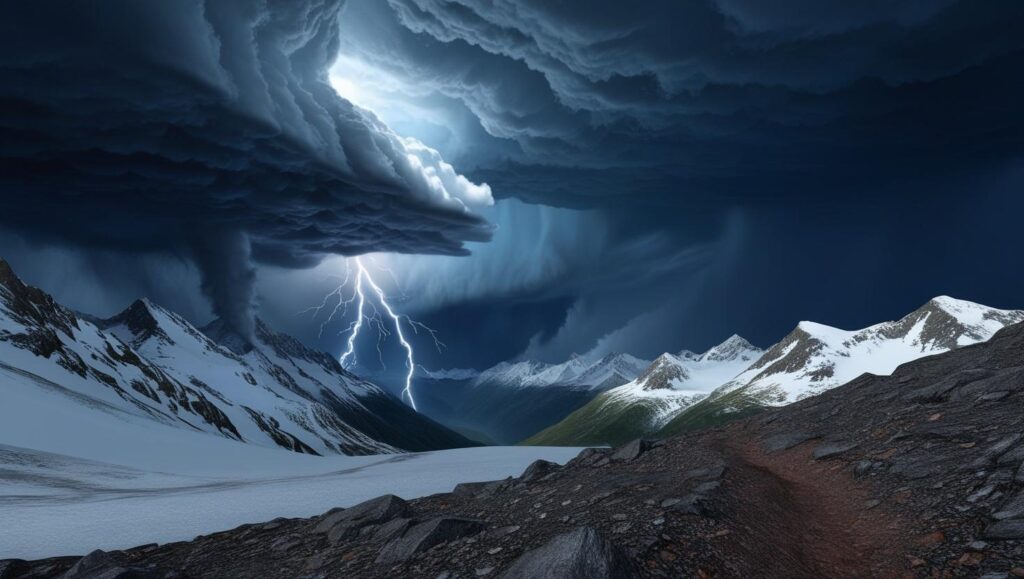
It’s a Mistake: Weather in the mountains can change dramatically in a matter of minutes. Thinking that conditions will stay as predicted is a rookie error. Without the right preparation, a sudden storm can lead to hypothermia, frostbite, or even dangerous slips on icy terrain.
How to Avoid It: Always check multiple weather sources before heading out, and be prepared for rapid changes. Dress in layers (so you can add or remove clothing as needed), bring weather-resistant gear, and have emergency shelter or a storm-proof tent on hand. Know when to turn back – don’t let the summit fever cloud your judgment.
Quick Tip: Carry a weather radio or a satellite device to get weather updates when you’re on the mountain.
Mistake 5: Pushing Too Hard and Ignoring Warning Signs
“The summit is so close, I can taste it… but my body is telling me to stop.”
Story: Summit fever is real. The closer you get to the top, the more eager you are to push through. But sometimes, your body is sending you warning signs: dizziness, nausea, exhaustion. Ignoring them can be deadly.
It’s a Mistake: Summit fever often blinds climbers to their body’s needs, and the desire to push through can result in serious consequences. Ignoring these warning signs can lead to serious consequences, including injuries, altitude sickness, and even death.
How to Avoid It: Listen to your body. If you feel lightheaded, nauseous, or too fatigued to continue, stop. Rest, hydrate, and descend if necessary. Summits will always be there, but your health and safety should be your top priority.
Quick Tip: Carry a climbing buddy for moral and physical support, and always communicate any discomfort you’re feeling. Turning around doesn’t mean failure – it’s smart, safe climbing.
Final Thoughts
Climbing your first summit is an experience like no other. The key to success isn’t just about physical strength – it’s about preparation, knowledge, and making smart decisions along the way. By avoiding these top 5 beginner mistakes, you’ll not only improve your chances of reaching the summit but also ensure that you do so safely and with confidence.
Remember: The mountain will always be there. Your health, well-being, and safety should be your number one priority. Stay smart, stay hydrated, and enjoy the journey to the top!
Engineer Philipp “PJ” Santiago on Mount Everest Ph: www.philstar.com
The 2025 Everest spring climbing season has seen its first foreign casualty. Philipp II Santiago, a 45-year-old climber from the Philippines, died at Camp IV on the night of May 14 while preparing for his summit attempt. He was part of the Mountaineering Association of Krishnanagar: Snowy Everest Expedition 2025.
According to Bodhraj Bhandari, Managing Director at Snowy Horizon Treks, Santiago reached Camp IV late in the night and passed away shortly thereafter. The exact cause of his death remains unknown. Efforts are currently underway to bring his body down to base camp.
This incident marks the first death of a foreign climber on Mount Everest this season, as confirmed by Nepal’s Department of Tourism. Earlier in the season, two Sherpa support staff fell ill at Everest Base Camp and later died after being transported to HAMS Hospital in Kathmandu.
As summit bids continue, this tragedy serves as a somber reminder of the inherent risks associated with high-altitude mountaineering. Our thoughts are with Santiago’s family, teammates, and all those affected by this loss.
When you think of Himalayan mountaineering, it’s easy to picture summit photos, prayer flags flapping in the wind, or the gleam of ice axes high above the clouds. But behind every summit story, there’s another narrative – one of strength, wisdom, and quiet leadership. Sherpas. They are elite climbers, weather forecasters, lifesavers, and high-altitude logisticians. Their unique physiological adaptations and deep cultural connection to the mountains have made them indispensable to climbing history.
The story of the Sherpas isn’t just about climbing mountains – it is the mountain. For centuries, this resilient community has lived high in Nepal’s Khumbu region, where oxygen is thin and peaks touch the sky. Originally migrating from eastern Tibet in the 1500s, Sherpas found a new home among the world’s tallest mountains. Their name, “Shar-wa” in Tibetan, means “people from the east,
But what truly sets them apart isn’t just where they live – it’s how they live. Generation after generation, Sherpas have developed a natural ability to thrive at high altitudes. When the first Western explorers came to conquer Everest and other Himalayan giants, they quickly realized they couldn’t do it alone. Sherpas became the quiet power behind nearly every major expedition- carrying loads, setting ropes, and guiding climbers through deadly terrain. Today, Sherpas are still the heart of Himalayan mountaineering. Their legacy isn’t written in textbooks – it’s carved into ice, rock, and every summit reached. Climbing may be a sport for some, but for Sherpas, it’s heritage. It’s in their lungs, their legs, and their blood.
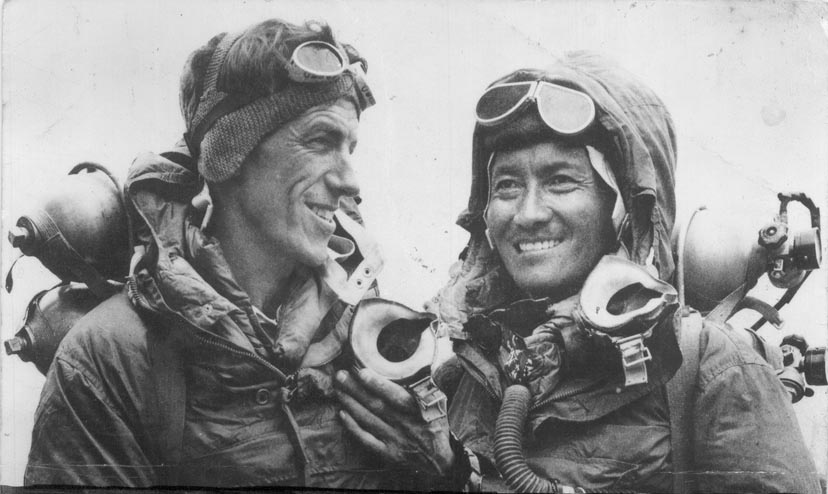
Edmund Hillary (left) and Sherpa Tenzing Norgay reached the 29,035-foot summit of Everest on May 29, 1953, becoming the first people to stand atop the world’s highest mountain.Photograph by AP
Legendary Sherpas Who Changed Mountaineering
The Pioneering Legend: Tenzing Norgay
Tenzing Norgay wasn’t just part of history – he made it. On May 29, 1953, alongside Sir Edmund Hillary, he became one of the first two people to stand on the summit of Mount Everest. That moment changed everything. For the world, it was a milestone of human achievement. For Sherpas, it was a turning point -finally showing the world that they were not just porters, but skilled mountaineers in their own right.
But Tenzing’s journey didn’t start in 1953. He had already tried to climb Everest seven times before, including the 1952 Swiss expedition where he reached an astonishing 8,600 meters- just shy of the summit. His deep knowledge of the mountain, unmatched stamina, and calm under pressure were crucial to the British team’s success.
Born in Nepal and raised near Everest in the Khumbu region, Tenzing had a natural bond with the mountains. He climbed with respect, not ego – a mindset still deeply rooted in Sherpa culture today. When asked who reached the top first, he always said it didn’t matter – it was a team effort. That quiet dignity spoke volumes. Tenzing Norgay’s legacy lives on – not only in mountaineering history but in every Sherpa climber who follows in his footsteps. He didn’t just climb a mountain; he lifted a community to new heights.
Breathing Beyond Limits: Ang Rita Sherpa
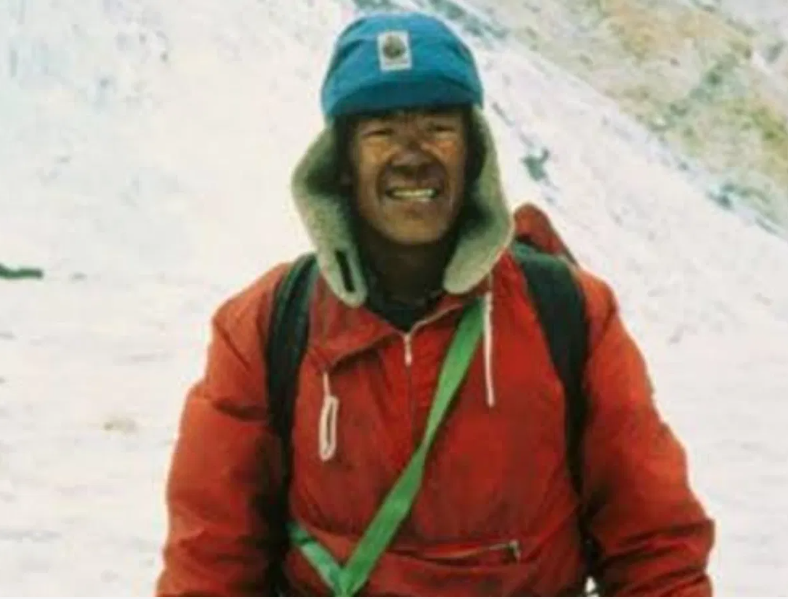
Ang Rita Sherpa wasn’t just a climber – he was a phenomenon. Nicknamed the “Snow Leopard,” he stunned the world by climbing Mount Everest ten times without using supplemental oxygen, a feat no one else has matched. Between 1983 and 1996, Ang Rita showed what the human body could do in the so-called “death zone”- where oxygen levels drop to just one-third of what we breathe at sea level. For most, it’s a place of survival. For him, it was home.
One of his most mind-blowing achievements? Climbing Everest in winter– without oxygen, in 1987. It was bitter cold, with winds howling at minus 40°C. Most would never attempt such a thing. Ang Rita made history. He didn’t stop at Everest. He summited other 8,000-meter giants like Dhaulagiri, Cho Oyu, and Kanchenjunga, often in tough conditions and on routes that demanded speed, precision, and stamina. Behind the fame, Ang Rita remained humble and spiritual, believing mountains deserved respect more than records.
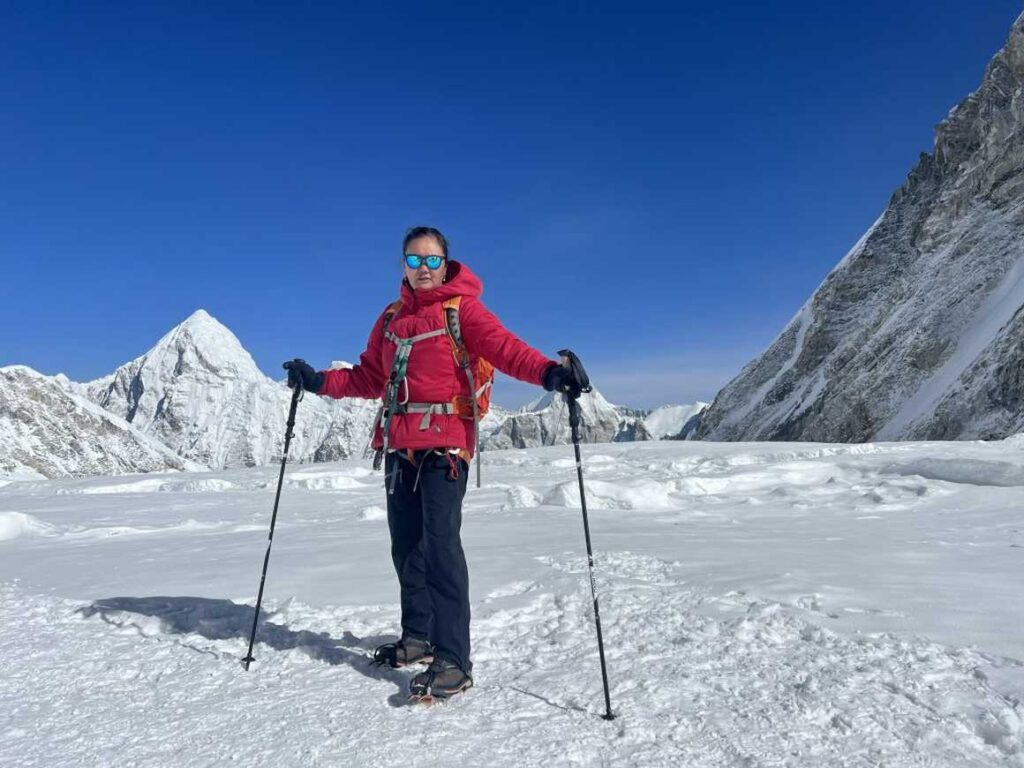
Ang Rita Sherpa Photo credit: X/@imranhthaheemLhakpa Sherpa photo: www.kandooadventures.com
Lhakpa Sherpa: The Queen of the World’s Highest Peaks
Lhakpa Sherpa is a mountaineering legend – the first woman in the world to summit Everest 10 times, setting a record that no other woman has yet touched. In a sport long dominated by men, especially at the highest levels, she’s not just participating – she’s leading.
Her climbing achievements go far beyond Everest. Lhakpa has also successfully summited K2, the world’s second-highest and most dangerous mountain. This makes her one of the few women to conquer both of these extreme giants. What makes her stand out isn’t just the number of climbs – it’s how she climbs. Lhakpa brings the wisdom of her Sherpa heritage to every expedition: moving efficiently, planning carefully, and respecting the power of the mountains. Her style is grounded in tradition but sharp with modern skill, blending spiritual connection with technical mastery.
The Sherpa Spirit Lives On: Heroes of the Himalayas in 2025
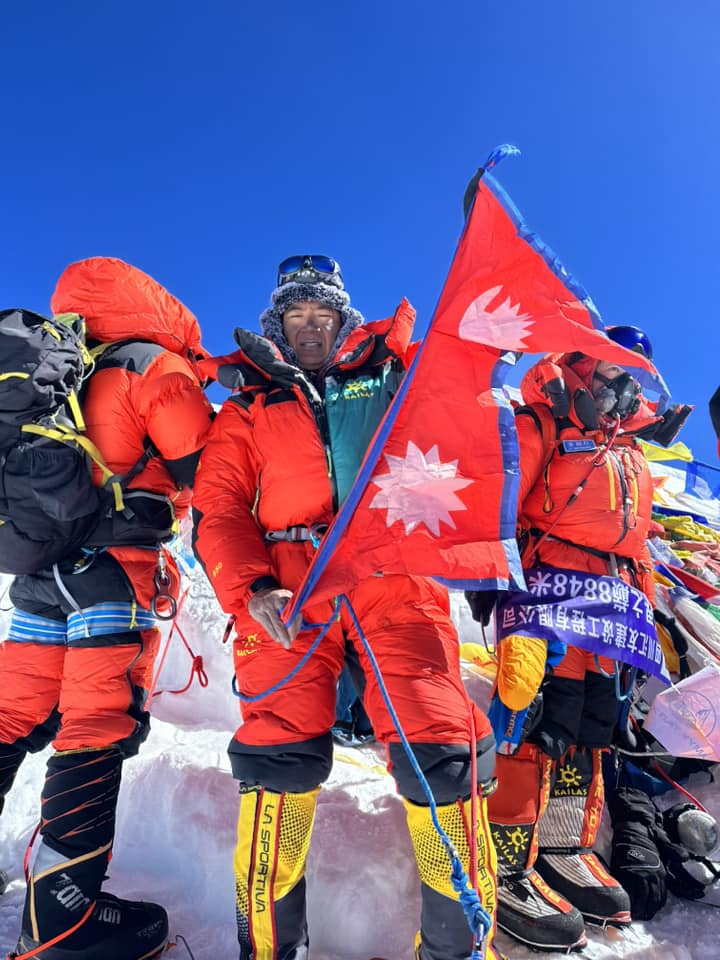
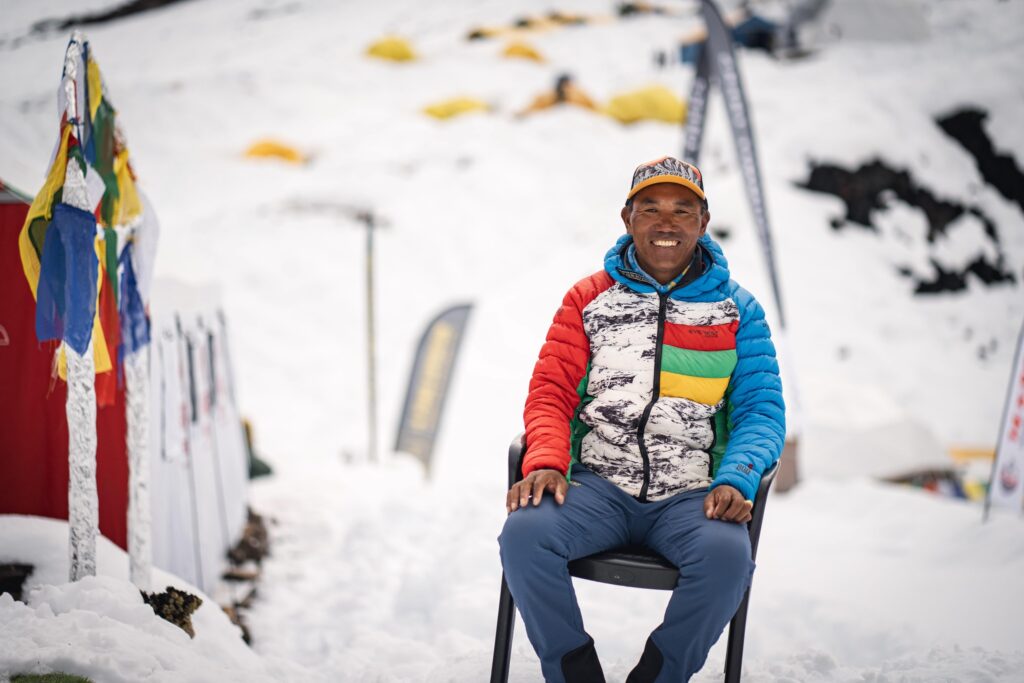
Ang Temba Sherpa Ph: Ang Temba Sherpa InstagramKami Rita Sherpa Ph: Kami Rita FacebookPasang Dawa Sherpa Ph: Pasang Dawa Sherpa Facebook
In 2025, the Sherpa community continues to redefine what it means to be a high-altitude climber, moving beyond the traditional focus on Everest summits and sheer numbers to showcase remarkable stories of family achievements, pioneering young climbers, leadership in expedition logistics, and cultural innovation. hese modern-day legends carry forward a legacy that began centuries ago, yet their stories are as vibrant and inspiring as ever.
At the forefront standsKami Rita Sherpa, a name that echoes through the valleys of the Khumbu and across the mountaineering world. At 55 years old, Kami Rita is not just a climber but a living legend. Starting out as a porter in 1992, he reached the summit of Everest for the first time in 1994. By May 22, 2024, he had stood on the world’s highest peak 30 times, a record unmatched by any climber. That month alone, he summited twice – once on May 12 and again ten days later. This spring, he is preparing to make his 31st ascent of Mount Everest, aiming to extend his own Guinness World Record for the most Everest summits. Each climb is a testament to his extraordinary resilience and deep connection to the mountain. Kami Rita has also climbed other 8,000ers like Cho Oyu, Lhotse, Manaslu, and K2. His career is not just a list of peaks, but a lifelong commitment to guiding, route-fixing, and keeping others safe in the most extreme conditions.
Close behind him isPasang Dawa Sherpa, another towering figure whose 27 Everest summits place him among the most accomplished climbers in history. Pasang Dawa’s steady presence on the mountain is a pillar of strength for many expeditions. Known for his calm leadership and technical skill, he plays a crucial role in guiding climbers safely through Everest’s perilous routes. Together, Kami Rita and Pasang Dawa represent the pinnacle of Sherpa mountaineering mastery-seasoned veterans whose experience ensures that countless climbers realize their dreams while minimizing risk.
Behind the scenes, the success of these expeditions relies heavily on the expertise of leaders like Ang Temba Sherpa, who commands the Sherpa rope-fixing teams responsible for securing the route from base camp to summit. In 2025, Ang Temba’s leadership is vital in navigating the ever-changing icefalls and crevasses of Everest’s most dangerous sections. His team’s work transforms the mountain’s hazards into manageable pathways, enabling hundreds of climbers to ascend with greater safety and confidence. Ang Temba’s role exemplifies the technical precision and teamwork that Sherpas bring to every expedition.
Mingma Dorchi Sherpa: On May 27, 2019, Mingma set a Guinness World Record by summiting both Mount Everest and Lhotse-the highest and fourth-highest peaks in the world-within an astonishing 6 hours and 1 minute. Starting at Everest’s summit just after midnight, he traversed the South Col and reached Lhotse’s peak by early morning, showcasing unmatched speed and endurance at extreme altitude. Known for his calm focus and flawless execution in high-stakes moments, Mingma Dorchi’s feats continue to push the boundaries of what’s possible at extreme altitude.
In October 2024, Dawa Yangzum Sherpamade history as the first Nepali woman to summit all 14 of the world’s 8,000-meter peaks. Her achievement not only marks a personal triumph but also signals a powerful shift – female Sherpas are claiming their space among the world’s elite mountaineers.
Nima Rinji Sherpa,at just 18 years old, became the youngest person ever to summit all 14 of the world’s 8,000-meter peaks, completing this extraordinary feat on October 9, 2024, with his ascent of Shishapangma in Tibet. Beginning his quest in September 2022 with Mount Manaslu, Nima climbed all these formidable mountains in just over two years, breaking multiple records along the way, including youngest summits on several peaks. His achievement is not only a personal triumph but also a statement of Sherpa pride and potential, as he dedicates his record to his project #SherpaPower, aiming to reshape global perceptions of Sherpas as elite athletes and adventurers rather than just support climber
Ph:Nima Rinji Sherpa Facebook
Conclusion: Look Up, but Also Look Around
Climbing a Himalayan giant is never a solo story. Behind every triumphant summit photo is a Sherpa who tied the knot, set the line, boiled the tea, or made the call to turn around.
In the climbing world, glory is often measured in meters. But respect? That lives in how we speak of the people who make our climbs possible. The Sherpas aren’t just supporting this season – they’re defining it, even as the story continues.
Because the summit belongs to everyone who gets you there.
File image of Margareta Morin. Photo: The Himalayan Times
Tragedy and resilience unfolded high on Mt. Kanchenjunga this past week, as the spring climbing season brought both triumph and sorrow to the world’s third-highest peak.
The expedition team comprised 13 members, including climbers from Kosovo, Iran, the UAE, and Nepal. Ten of them, including Hayes, reached the 8,500-meter summit on May 10 after a grueling 20-hour push from Camp IV. This marked the first successful summit of Kanchenjunga for the 2025 season.
Kanchenjunga is known for its high fatality rate among the 8,000-meter peaks, with over 50 climbers having lost their lives on its slopes . The mountain’s remote location and challenging conditions continue to test the limits of human endurance and the spirit of mountaineering.
Adrian Hayes. Photo: Adrian Hayes/Facebook
Our thoughts are with the families of those affected by these events.
The global mountaineering community mourns the loss of Yuri Contreras Cedi, a pioneering Mexican alpinist and orthopedic surgeon, who passed away at the age of 62 on Sunday, May 4, 2025. Contreras suffered a fatal heart attack while participating in the L’Étape Cancún by Tour de France cycling event in Cancún, Mexico. Despite immediate medical attention and hospitalization, he could not be revived.
Yuri Contreras, Everest Legend, Dies at 62 (Yuri Contreras/Instagram)
Just a day before the cycling event, Contreras shared a message on social media that now feels especially poignant: “On two wheels, the world ceases to be routine and becomes an adventure.” It was a reflection of how he approached life – not only in the mountains, but in every pursuit – with energy, curiosity, and determination.
Contreras was born in Mexico City and spent much of his life in León, Guanajuato, where he became known not only for his career in medicine but also for his remarkable accomplishments in the mountains. He was a trailblazer in Latin American mountaineering, most famously for being the first Latin American climber to summit Mount Everest via two different routes. In 1996, he reached the top of Everest from the North Col route in Tibet, and just a year later, in 1997, he returned to the summit via the South Col route from Nepal. This back-to-back achievement placed him among a select group of international climbers who have stood on the world’s highest point using both the northern and southern approaches.
Over the course of his career, Contreras climbed Everest a total of four times—a feat that speaks to his endurance, skill, and passion for high-altitude mountaineering. His climbing résumé includes some of the most formidable peaks on the planet, such as K2, Makalu, and Gasherbrum, as well as expeditions in the Andes and across other major ranges. Many of these adventures were shared with his wife and climbing partner, Laura González del Castillo, with whom he formed a well-known and respected duo in the international climbing community.
Outside of mountaineering, Contreras had a respected medical career as an orthopedic surgeon. He was known for balancing his demanding profession with his love for adventure – a rare combination that inspired many who knew him, whether in the hospital or in the mountains.
His death has sparked an outpouring of tributes from across Mexico and the global climbing community. The governor of Guanajuato, Libia Dennise García, along with the state’s sports authorities, expressed their deep condolences, recognizing his legacy and the inspiration he offered to athletes throughout the country.
Yuri Contreras will be remembered as a mountaineer who opened new paths for Latin Americans on the world’s highest peaks. His legacy lives on in every climber who dares to go further, to reach higher, and to never stop exploring. Rest in peace, Yuri. Your journey continues in the mountains you loved.
Yuri Contreras, Everest Legend, Dies at 62 (Yuri Contreras/Instagram)
Manage Consent
To provide the best experiences, we use technologies like cookies to store and/or access device information. Consenting to these technologies will allow us to process data such as browsing behavior or unique IDs on this site. Not consenting or withdrawing consent, may adversely affect certain features and functions.
Functional
Always active
The technical storage or access is strictly necessary for the legitimate purpose of enabling the use of a specific service explicitly requested by the subscriber or user, or for the sole purpose of carrying out the transmission of a communication over an electronic communications network.
Preferences
The technical storage or access is necessary for the legitimate purpose of storing preferences that are not requested by the subscriber or user.
Statistics
The technical storage or access that is used exclusively for statistical purposes.The technical storage or access that is used exclusively for anonymous statistical purposes. Without a subpoena, voluntary compliance on the part of your Internet Service Provider, or additional records from a third party, information stored or retrieved for this purpose alone cannot usually be used to identify you.
Marketing
The technical storage or access is required to create user profiles to send advertising, or to track the user on a website or across several websites for similar marketing purposes.